

Stored grain represents months of work and investment. Once it enters storage, protecting it against insect pests becomes essential to maintaining quality and preserving its value. Our complementary solutions K-Obiol® EC 25, K-Obiol® ULV 6 and Actellic® 50EC combine two modes of action to support broad-spectrum, preventive and curative pest control in stored grains.
Related Products
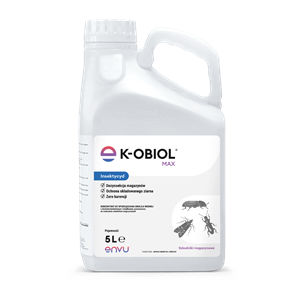
K-Obiol® EC25 100ml/1l/5l/15l, K-Obiol® Max 1l
It is an emulsifiable concentrate (EC) formulation containing deltamethrin (pyrethroid) combined with piperonyl butoxide, providing enhanced efficacy against a wide range of storage pests. The dual-use design enables preventive and curative control,...
Product Details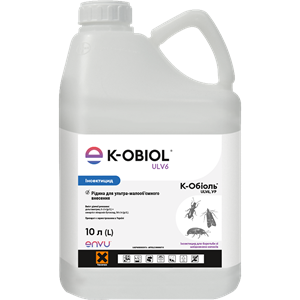
K-Obiol® ULV6 15l
It is based on pyrethrum (natural pyrethrins) combined with synergists, delivering rapid knockdown and effective control of exposed insects during space treatments. Unlike K‑Obiol EC (residual grain protectant), K‑Obiol ULV6 is specifically designed...
Product Details
Protecting Stored Grains
A Critical Pillar of Global Food Security
As the global population continues to grow and food systems face increasing pressure, the challenge of ensuring food security extends far beyond crop production in the field. One of the most critical stages of the food supply chain is post-harvest storage. Protecting stored grains is not only a technical necessity; it is a fundamental pillar of global food security, economic stability and sustainability.
According to international estimates, post-harvest losses account for a significant share of total food waste worldwide, with insect infestation in stored grains representing a major contributor. These losses directly impact farmers’ incomes, disrupt supply chains, increase food prices and reduce the availability of safe, high-quality food for consumers.
Stored Grain Protection
Grains such as wheat, rice, maize and soybeans are the backbone of global nutrition. Once harvested, their journey is far from over. During storage, grains are exposed to a complex set of risks: insect infestation, contamination, quality degradation and loss of commercial value.
In regions with limited infrastructure or long storage periods, these risks are amplified. Effective stored grain protection is therefore not only an operational challenge, but also a social and economic imperative linked to food availability and affordability.
A Global Challenge with Local Consequence

From Protection to Preservation
Rethinking Stored Grain Management
Traditional approaches to stored grain protection have often focused on single interventions or reactive treatments. However, today’s challenges demand more integrated and forward-thinking strategies that are effective, sustainable, and aligned with regulatory and market expectations. This is where innovation plays a decisive role.
Envu truly believes that stored grain protection must:
- Address both preventive and curative needs
- Reduce resistance pressure through diversified modes of action
- Preserve grain quality, safety and usability
- Support long-term sustainability goals
Stored Grain Protection
Envu's complete offer, combining K-Obiol and Actellic EC50, represents a comprehensive and complementary strategy designed to protect stored grains throughout the storage lifecycle. Rather than relying on a single mode of action, this solution brings together two distinct and complementary technologies, offering a broader, more resilient response to stored product pests.
Together, these solutions address both immediate infestation challenges and long- term protection needs, reducing the risk of reinfestation and supporting consistent grain quality over time.
Find out more about our Stored Grain Protection solutions
A Global Challenge with Local Consequence

A Real-World Impact
For farmers and storage operators, this means reduced losses, improved operational efficiency and greater confidence in long-term storage. For processors and distributors, it ensures consistent quality and compliance. For consumers, it contributes to safer, more reliable food supplies.
Reducing post-harvest losses certainly is one of the most effective ways to improve food system sustainability, as it maximizes the value of existing agricultural production without requiring additional land or resources.
Find out more about our Stored Grain Protection solutions
Tangible benefits across the entire food system
